Sudan floats currency, part of measures to overhaul economy
Feb 21, 2021

Sudan has taken the unprecedented but expected step of floating its currency

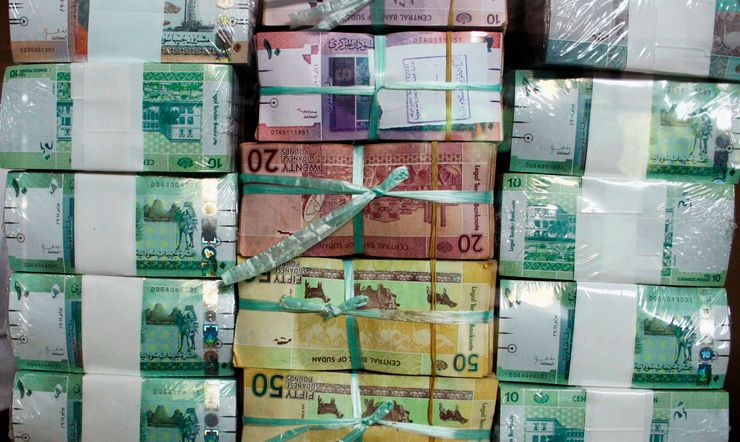
CAIRO (AP) — Sudan took the unprecedented but expected step of floating its currency Sunday, meeting a major demand by international financial institutions to help transitional authorities overhaul the battered economy.

The flotation is the boldest economic measure taken by the transitional government that has ruled the African country after a popular uprising led to the military’s overthrow of autocrat Omar al-Bashir in April 2019.

The U.S. dollar had been trading at over 350 pounds to the dollar on the black market, while its official rate was at 55 pounds to the dollar.

Sudan’s currency will now fluctuate according to supply and demand, according to a statement by the Central Bank. It said the flotation is part of measures the transitional government has embarked on to help stabilize the country’s economy.

The Central Bank said the flotation would help “normalization of ties with international and regional financial institutions and friendly countries to ensure the flow of grants and loans” into Sudan's economy.

Sudan has for years struggled with an array of economic woes, including a huge budget deficit and widespread shortages of essential goods and soaring prices of bread and other staples. The country is $70 billion in debt and its annual inflation soared past 300% last month.

The move would likely provoke a popular backlash as the price of goods and services rise in response to the fall in the pound’s value and the possible hike in prices of fuel and other essential goods.

The country was plunged into an economic crisis when the oil-rich south seceded in 2011 after decades of war, taking with it more than half of public revenues and 95% of exports.


More News

Jaishankar's BIG G20 Warning: Energy Flows, Global Conflicts, Supply Chains Under Strain | QUAD News

Nov 1, 2026

Jaishankar's BIG G20 Warning: Energy Flows, Global Conflicts, Supply Chains Under Strain | QUAD News

| External Affairs Minister S Jaishankar has raised concerns over the impact of global conflicts on energy security, food supplies and international supply chains at the G20 Foreign Ministers' Meeting in Atlanta.Speaking after the discussions, Jaishankar warned that distortions in energy markets and the politicisation of energy flows were harmful, with the Global South bearing the brunt of energy shortages. He also highlighted how sanctions, trade obstacles and strategic chokepoints are disrupting energy markets and making supplies less predictable. Jaishankar called for diplomatic solutions to ongoing global conflicts, stressing that military action cannot provide lasting solutions. He also advocated more diversified manufacturing and supply chains to reduce excessive dependence on any single geography.The discussions covered energy and food security, geopolitical tensions and supply-chain resilience. With disruptions affecting fuel, grain shipments and fertiliser supplies, the meeting placed the economic consequences of global conflicts firmly on the agenda n18oc_breaking-news n18oc_world CNN-News18 is your trusted source for breaking news, updates, and in-depth analysis from around the world. CNN-News18 is dedicated to bringing you the latest news, trends, and insights, helping you stay informed and up-to-date. Subscribe Now and join our community of informed and engaged viewers. Follow Every Breaking Story LIVE Watch News18 LIVE 24x7: https://youtube.com/live/rfDx1HMvXbQFollow us on Google: news18.co/cn18gFollow CNN News18 on X: https://x.com/CNNnews18Follow CNN News18 on Instagram: https://www.instagram.com/cnnnews18/Follow CNN News18 on Facebook: facebook.com/cnnnews18 with latest headlines on politics, sports and entertainment on news18.comNews18 Mobile App - https://onelink.to/desc-youtube

Central News Today

Central News Today breaks down complex issues with unique perspective, bringing high-quality journalism to millions of readers around the world.

NEWSLETTER