Most Recent
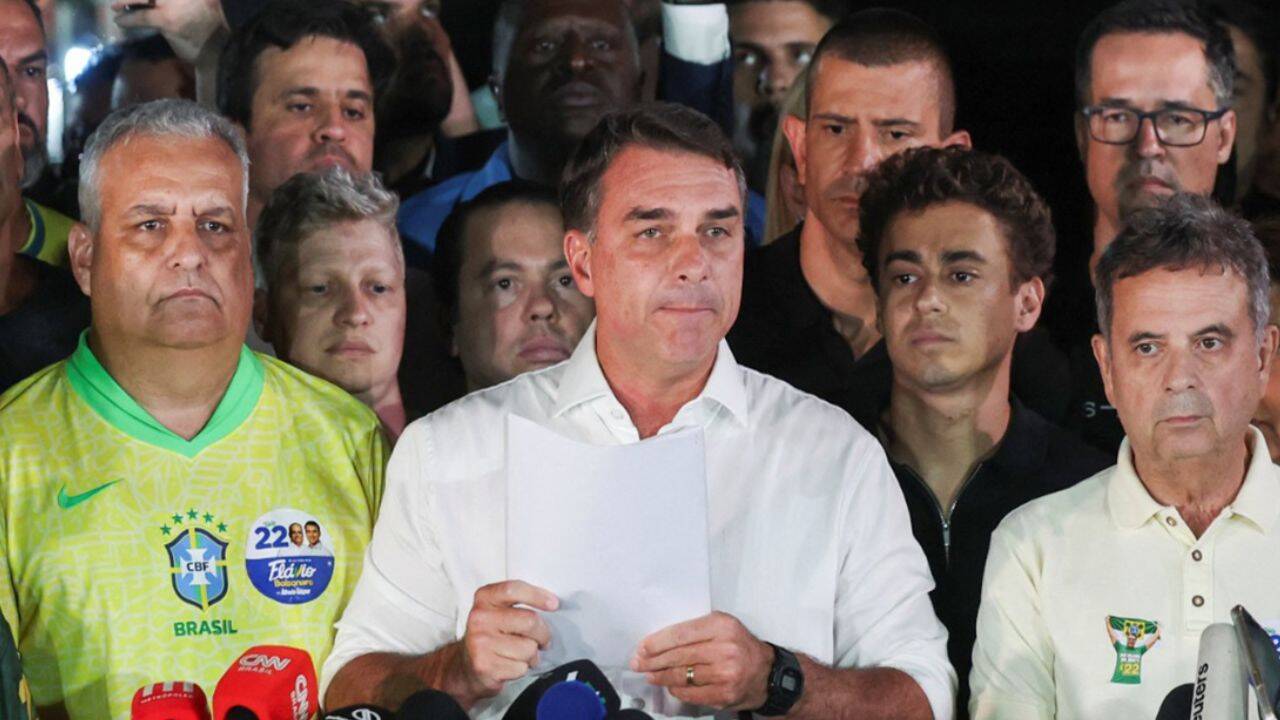
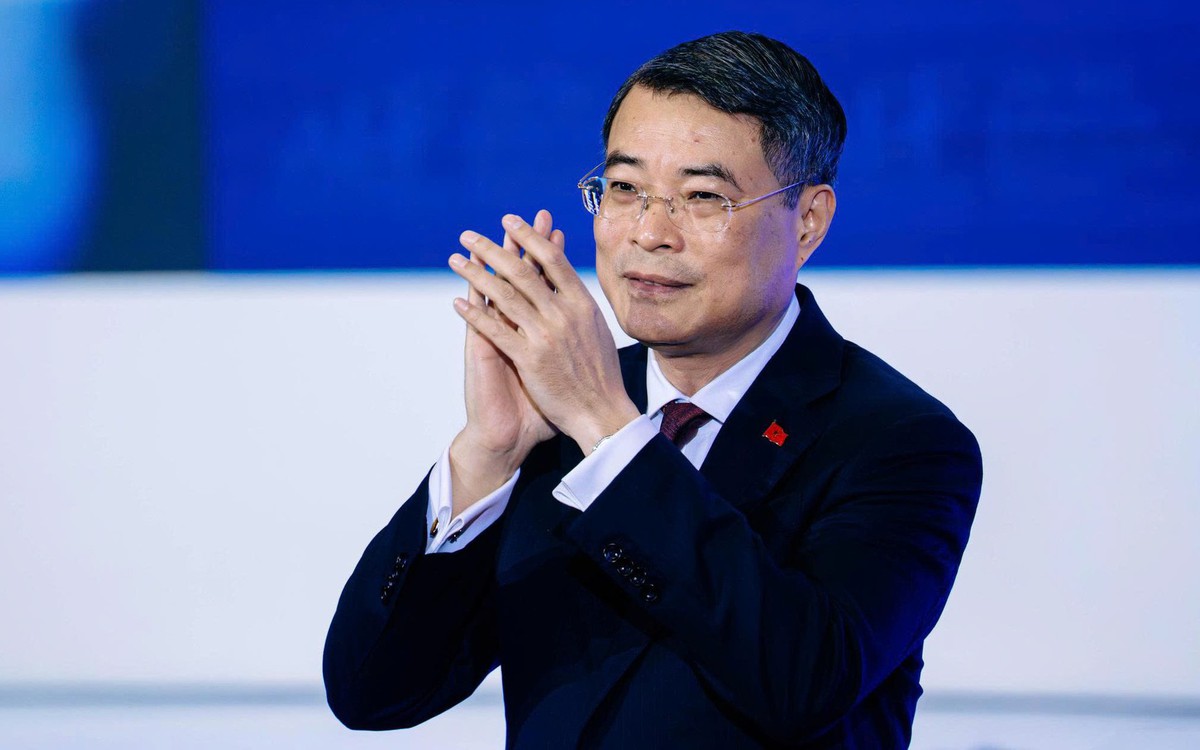
Những phát biểu của Thủ tướng Lê Minh Hưng tại AEF 2026 gây ấn tượng mạnh mẽ
Các đại biểu tham dự Diễn đàn Kinh tế mùa thu năm 2026 cùng chia sẻ nhiều ấn tượng với những phát biểu của Thủ tướng Lê Minh Hưng tại phiên làm việc sáng 28-10.
Stocks making the biggest moves after hours: Alphabet, Microsoft, Chipotle, ServiceNow, Fortinet & more
Here are some of the companies making headlines in extended trading.
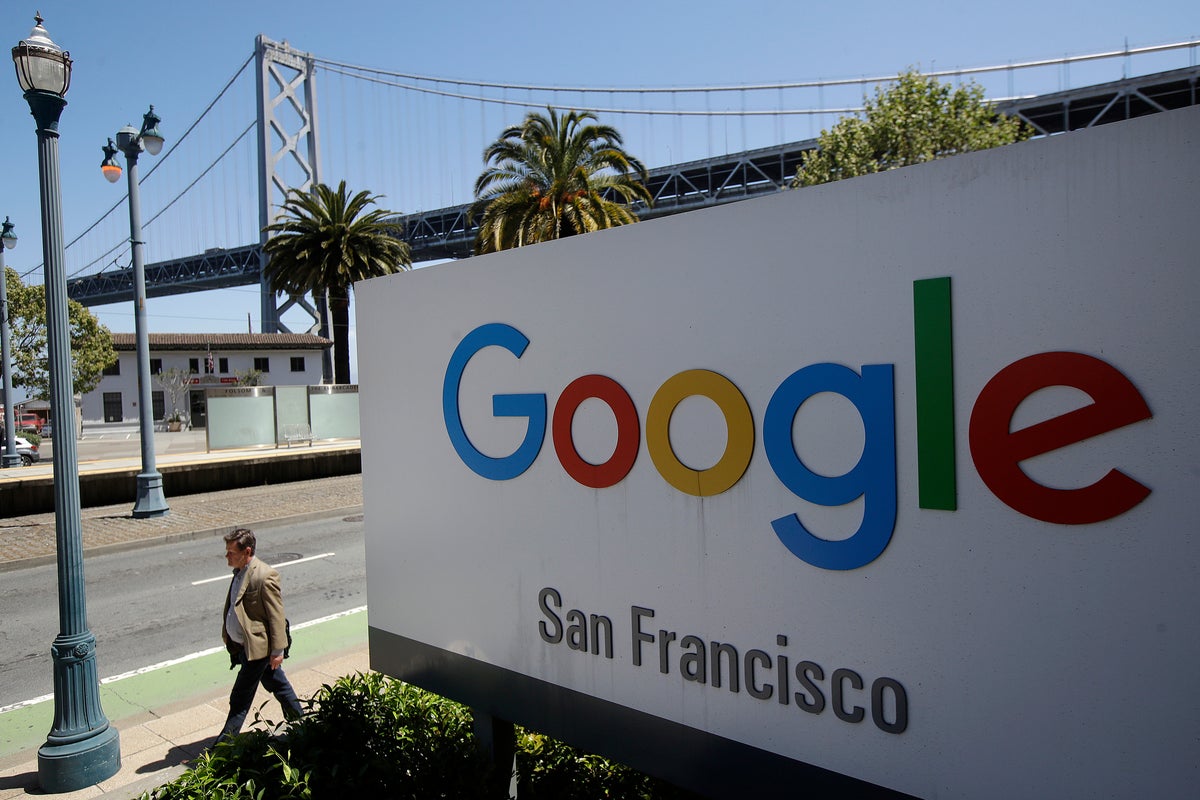
Google misses revenue expectations, Alphabet stock sinks in early after-hours trading
Alphabet Inc., Google's parent company, reported strong revenue growth in its third quarter, but it fell short of Wall Street expectations
Bessent says 'not necessarily' a mistake if the Fed hikes again
Treasury Secretary Scott Bessent joined CNBC for an interview on Oct. 28, 2026.

Spain train crash latest: Police interview control centre staff over ‘inexplicable human error’ after 68 dead
It’s the second major train collision this year on Spanish railway lines, drawing criticism for transport minister Oscar Puente
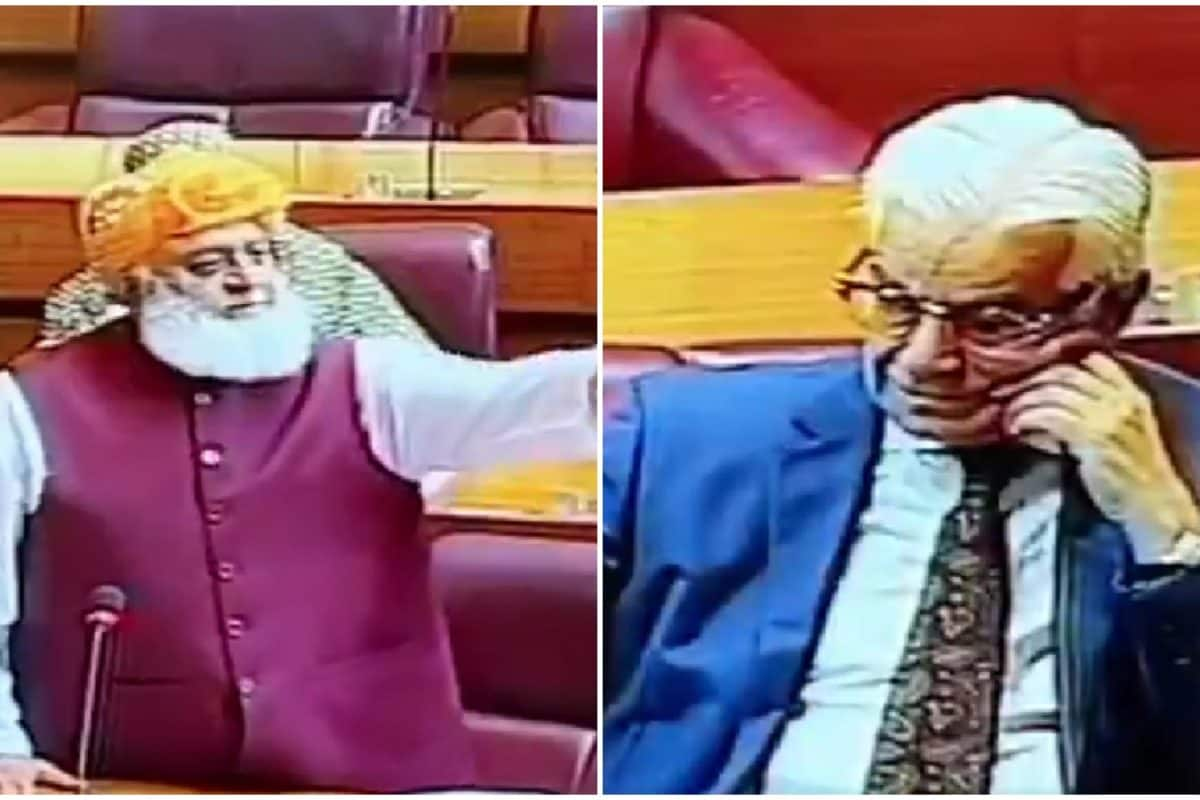
Pakistan MP Throws Khawaja Asif's Famous Line Back At Him In Assembly: 'No Sharam, No Haya'
Fazlur Rehman made the comments while questioning why key ministers were in the Assembly while defence-related discussions were taking place in Tehran.

Game 6 of the WNBA Finals starts at 12:30 p.m. ET tomorrow. How did this happen?
CBC Sports' daily newsletter breaks down the scheduling fiasco that caused Game 6 of the WNBA Finals to be moved to a weekday afternoon, and what it means for a league that can't seem to avoid controversy.
Fed meeting recap: Warsh says central bank will host fewer rate-setting meetings in future years
The Federal Reserve held steady on rates at the conclusion of its October meeting, maintaining its target range of 3.75% to 4%.
US Federal Reserve holds rates steady, as expected
The US Federal Reserve held interest rates steady on Wednesday, as expected, opting to delay any changes to borrowing costs until after next week's US midterm elections while it awaits further data on inflation, which the central bank said "remains elevated." The 10-2 decision to maintain the Fed's benchmark interest rate within the 3.75-4 percent range came with an upgraded assessment of an economy that the central bank now says is growing at a "strong pace." Fed Chairman Kevin Warsh also expressed confidence that inflation can be lowered to the 2 percent target without having to "throw sand in the gears" and slow growth or raise unemployment. Warsh, speaking at a press conference after the end of a two-day policy meeting, said he expects a report on third-quarter gross domestic product on Thursday to show strong investment and consumer spending and an acceleration of growth from the first half of the year. Warsh, however, said he still does not think the economy is "too hot" or generating demand-side inflation that needs to be curbed. "The economy is pointing in the right direction. Is the economy running too hot? Is the economy running too strong? That isn't the judgement of most of my colleagues," said Warsh, arguing, as he has before, that changes in productivity, even pre-dating the artificial intelligence boom, may allow the US to grow faster without as much inflation. "The goal, in my view... isn't to throw sand in the gears of the economy and throw people out of work. I don't think we have to do that." Rather, he said, a higher Fed policy rate is already showing its impact in slightly tighter credit conditions that could, for example, slow business investment and which arguably contributed to recent stock market declines, another potential source of "disinflation" if it slows spending among wealthier families. In comments to CNBC on Thursday, US Treasury Secretary Scott Bessent said the administration continues to have faith that Warsh will "find the right balance" between the 2 percent inflation goal and continuing economic growth. The rate-setting Federal Open Market Committee's latest policy statement, however, hinted that more rate hikes may be needed, and some of Warsh's colleagues have been explicit in their concerns that demand, fuelled by AI and healthy consumer spending, is starting to drive prices higher. Between now and the next policy meeting in December, "the accumulation of more information will help the Committee determine the policy stance appropriate to ensure a timely return of inflation to the Committee's 2 percent goal," the FOMC said. "The Committee will deliver price stability." Fed Governor Lisa Cook, currently being targeted by President Donald Trump for removal from the central bank, cast her first dissent on a central bank policy decision on Wednesday, favouring a quarter-percentage-point rate hike. Cleveland Fed President Beth Hammack, a consistently hawkish voice, also dissented in favour of a rate increase. Market reaction was muted, with US stocks paring gains slightly after the decision but ending higher on the day. Longer-dated US Treasury yields extended their rise. Short-term interest-rate futures rose a bit, as traders scaled back a bit on bets of Fed rate hikes ahead. "The forces keeping the Federal Reserve hawkish haven't faded. Diesel and gasoline prices remain elevated, AI-driven inflation isn't easing, and the labour market remains resilient," said Michael Pearce, chief US economist at Oxford Economics. The outcome of this week's meeting was widely expected after top Fed officials indicated they saw no rush to raise rates again following the quarter-percentage-point increase approved last month, despite inflation data in the meantime that was stronger than forecast and concerns that price pressures are broadening across the economy. Financial markets are still pricing in a couple of additional rate hikes in the coming months, though with slightly less conviction than before Warsh spoke on Wednesday. Pricing shows about an 80 percent chance of a rate hike at the Fed's December 8-9 meeting, with another increase in borrowing costs likely by March. (Reuters) Edited by Cecil Wong